What it is
Burn care is the professional assessment and ongoing management of burn injuries. Burns are often described by depth: superficial burns affect the outer skin layer, partial-thickness (often called second degree) burns reach deeper, and full-thickness burns damage all layers of skin and sometimes tissue beneath.
Depth and size are not always obvious at first, and a burn can look different from one day to the next. That is one reason a trained clinician is usually the one to judge how serious a burn is, where it is on the body, and what kind of care it may need.
Burn care commonly includes three areas: burn wound dressing, monitoring for infection, and referrals for scar management when healing is further along. Which of these apply depends on the individual person and wound.
How it’s traditionally been approached
Traditionally, burn wounds have been cleaned and covered with dressings meant to protect the area, manage drainage and support a moist, protected healing environment. Clinicians choose among many dressing types, and the choice depends on the burn's depth, location and stage of healing.
Monitoring has long been a core part of burn care because damaged skin is less able to guard against germs. Clinicians typically look at the wound over time, ask about pain and symptoms, and watch for changes that could signal infection or slowed healing.
Once a burn has closed, attention often turns to the skin's long-term appearance and function. Burns that heal with thick, tight or sensitive scars may lead to referrals to professionals such as therapists, plastic surgeons or other scar specialists, depending on the situation.
How the right wound care specialist may help
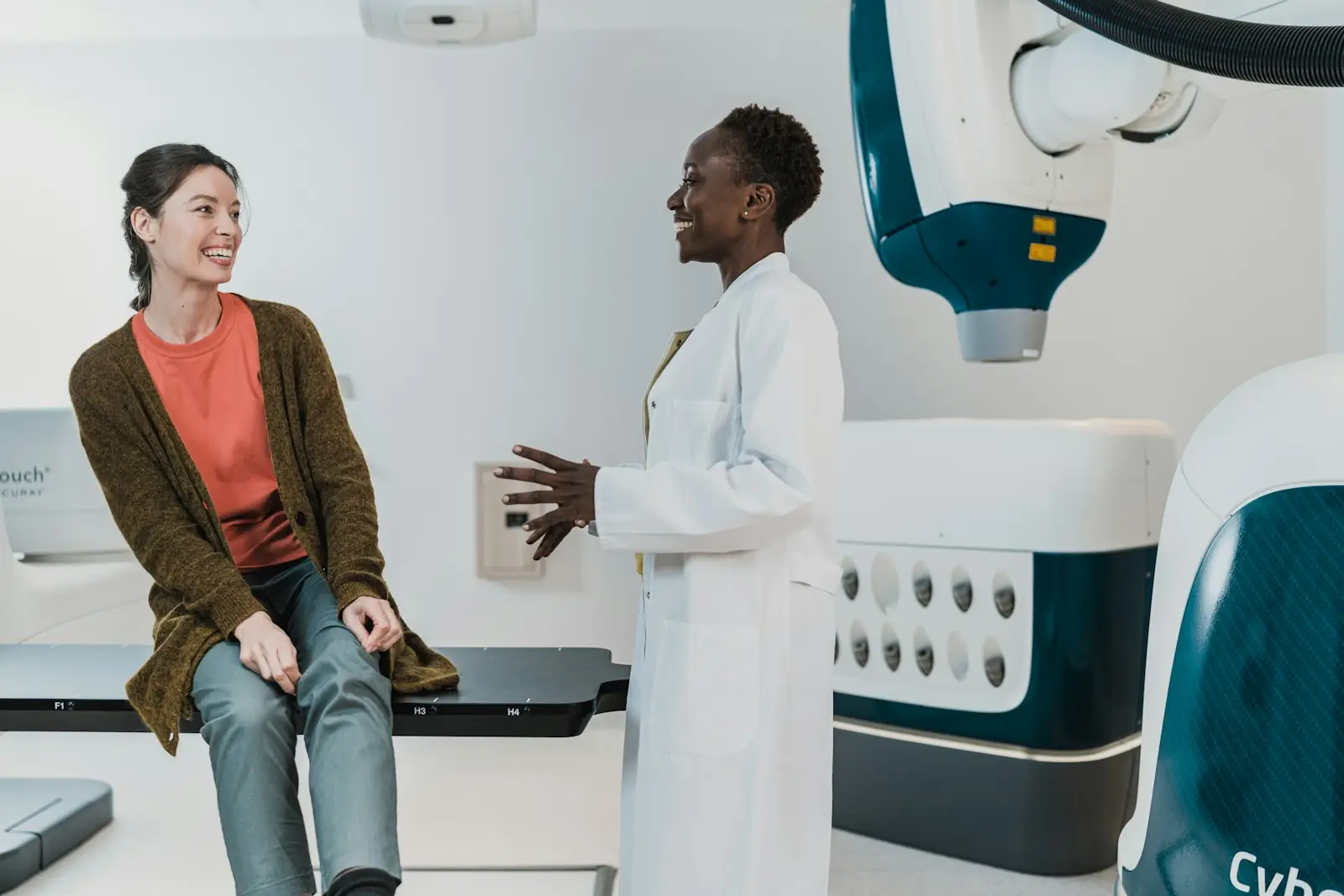
A wound care specialist may start by asking how the burn happened, when it happened, what has been done so far, and about your overall health, including conditions such as diabetes or circulation problems that can affect healing. They will usually examine the wound, and may measure or photograph it to track changes.
Over follow-up visits, a specialist may change or replace dressings, check the wound for signs of infection, and talk through what to expect as the area heals. If scarring or stiffness becomes a concern, they may discuss referrals to other professionals. Any care decision is made by a licensed clinician after an evaluation.
Questions worth asking a licensed provider include: What is the cause and depth of my burn? How is it being staged or classified? What treatment options exist and why this one? What is the expected healing time? Which signs mean I should call you right away? Will my insurance cover the dressings or visits?

The whole-person view
Burns can affect more than the skin. Pain, disrupted sleep, changes in appearance and memories of how the injury happened can all weigh on mood and stress, and stress and poor rest can in turn affect how the body feels during recovery. Body, mind and daily life are closely connected.
Some people find extra support helpful alongside medical care. Somatic Experiences offers body-based support for stress held in the body, and Therapists.plus connects people with talk therapy for coping with the emotional side of an injury. Both are complements to, not replacements for, professional wound care.
Somatic Experiences: trauma and emotional healing →Somatic Experiences: embodiment and movement →Therapists.plus: mind body connection →
Keep in mind
- Seek medical care promptly for any sign of infection, such as spreading redness, red streaking, increasing warmth or pain, pus, foul odor, fever or chills, or if a burn seems to be rapidly worsening.
- Call 911 or go to the ER for severe burns, heavy bleeding, exposed bone or tendon, signs of sepsis, or burns from electricity, chemicals or a serious accident. Burns to the face, hands, feet, genitals or over joints also warrant prompt professional evaluation.
- This page is educational and is not medical advice, a diagnosis or a treatment plan. Licensed professionals should guide care for your specific burn.
- If distress about an injury ever feels overwhelming, call or text the 988 Lifeline.
Wound care specialists
We’re welcoming founding wound care specialists for burn care now. Get matched or list your practice.
Frequently asked questions
What is burn care?
Burn care is the professional evaluation and management of burn injuries, including dressing the wound, watching for infection and planning follow-up. A licensed clinician decides what is appropriate for each person after an evaluation.
What is a second degree burn?
A second degree burn, also called a partial-thickness burn, is one that goes beyond the top layer of skin into the layer beneath. These burns often blister and can be painful, but only a clinician can judge a burn's depth and severity. It is wise to have one evaluated.
How does burn wound care usually work?
Burn wound care commonly involves cleaning the area, applying a dressing chosen for that wound, and checking it at follow-up visits. The specific approach varies with the burn's depth, size, location and your health, so a provider determines it.
How long does burn healing take?
Burn healing time varies widely depending on depth, size, location and overall health, so there is no single answer. Ask a licensed provider for an expected healing time for your specific burn and what could slow it.
What are the signs a burn may be infected?
Signs can include spreading redness, red streaking, increasing warmth or pain, pus, foul odor, fever or chills. If you notice any of these, seek medical care promptly. Fever with a rapidly worsening wound may be an emergency.
When might a burn lead to a scar management referral?
A referral may come up once a burn has healed or is healing and the scar is thick, tight, limiting movement or bothersome. A wound care specialist may discuss options and refer you to other professionals. Whether and when depends on your situation and your provider's judgment.
Educational resource. WoundKare shares general information and connects people with independent wound care specialists. It is not medical advice, diagnosis or treatment. Talk with a licensed professional about your health.