What it is
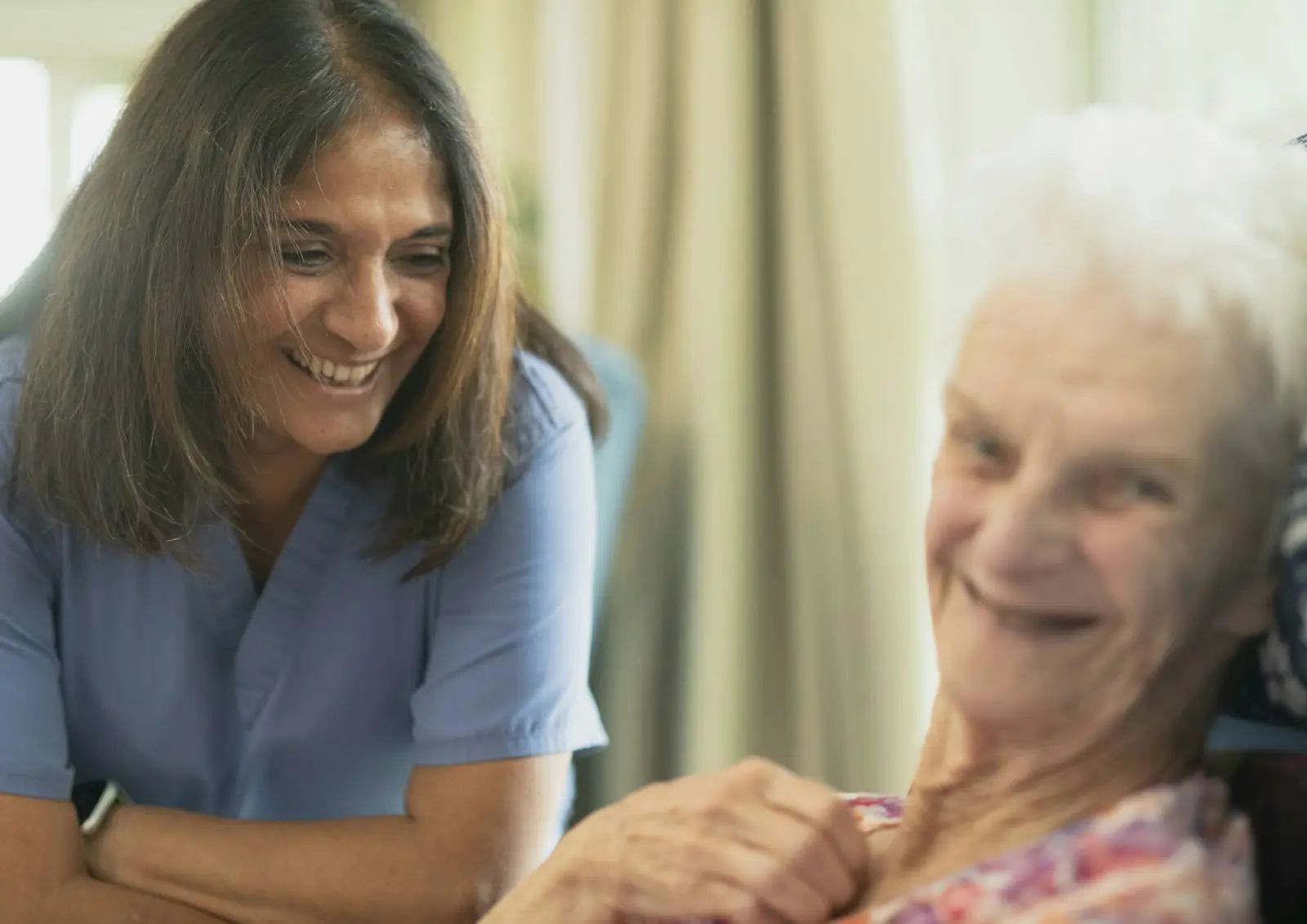
Wound care at home means looking after a wound, such as a surgical incision, pressure injury, diabetic foot ulcer, or slow-healing sore, in the place where a person lives instead of in a clinic or hospital. Caregivers, family members, and visiting nurses often share this work.
Home health wound care usually involves a licensed clinician who evaluates the wound, notes its cause and stage, and may teach caregivers about the dressing supplies and routines that fit that particular situation. Because every wound is different, what is right for one person may not be right for another.
This silo covers topics caregivers commonly search for: how to change a wound dressing, caregiver wound dressing tips, wound care at home for a bedridden patient, signs a wound is infected, and when to see a doctor for a wound.
How it’s traditionally been approached
Traditionally, wound care at home has been guided by a physician's orders and carried out by visiting home health nurses, with family caregivers helping between visits. Nurses commonly assess the wound, clean and dress it, and document how it looks over time.
Common elements of home wound care include keeping hands clean, using clean or sterile supplies as directed, observing the skin around the wound, and paying attention to pressure, moisture, nutrition, and mobility. Which of these matter most depends on the wound and the person.
Clinics and wound centers have also played a role, with some patients traveling for visits and others receiving care through home health agencies. Some clinicians use approaches such as negative pressure wound therapy, which is well established, and decisions about it are made by a licensed provider after an evaluation.
How the right wound care specialist may help
The right wound care specialist may help by identifying what is causing a wound, describing its stage, and explaining the treatment options that may be appropriate. A home health wound care nurse may also show caregivers how to recognize changes worth reporting.
A visit generally includes a look at the wound, questions about health history, medications, mobility, and daily routines, and a discussion of supplies and follow-up. Ask what is safe for you or your loved one to do at home and what should be left to a professional.
Good questions to bring: What is causing this wound? How is it staged? What are the treatment options? What is the expected healing time? What will insurance cover, and what changes should prompt a call? Results vary and no outcome can be promised.

The whole-person view
Body, mind, and stress affect each other. Pain, poor sleep, worry, and the strain of caregiving can all shape how a person feels during recovery, and a long-lasting wound can weigh on mood and daily life for both patient and caregiver.
Some people explore body-based support such as Somatic Experiences to work with stress held in the body, and others find talk therapy through Therapists.plus helpful for coping with illness or caregiver burnout. These complement, and do not replace, care from a licensed wound care provider.
Somatic Experiences: trauma and emotional healing →Somatic Experiences: embodiment and movement →Therapists.plus: mind body connection →
Keep in mind
- Seek medical care promptly for signs of infection: spreading redness, red streaking, increasing warmth or pain, pus, foul odor, fever, or chills, or if a wound is rapidly getting worse.
- Call 911 or go to the ER for heavy bleeding, exposed bone or tendon, signs of sepsis, or a deep or severely contaminated wound such as from a serious accident.
- This page does not diagnose or provide a treatment plan; licensed professionals should guide care for any specific wound. In a crisis, call or text 988.
- Skin substitutes and amniotic or placental products vary in FDA status and coverage, so ask a provider about any product; amnioticdoctors.com offers further reading on amniotic products specifically and is not affiliated with WoundKare.
Guides in this topic
Wound care specialist types
Frequently asked questions
What does a home health wound care nurse do?
A home health wound care nurse visits a patient at home to assess the wound, perform or supervise dressing changes as ordered, and monitor healing. They may also teach caregivers what to watch for and communicate with the patient's physician. Services and eligibility vary, so ask a provider or agency.
How do you change a wound dressing at home?
The right method depends on the wound type, location, and the supplies a clinician has ordered, so it should be taught by a licensed professional. Generally, nurses emphasize clean hands, clean supplies, and gentle handling. Ask your provider to demonstrate the steps for your specific wound.
What are some caregiver wound dressing tips?
Ask the care team for hands-on training and written instructions that fit the specific wound. Many caregivers find it helpful to gather supplies in advance, keep notes on how the wound looks, and report changes. Never change the approach without checking with a clinician.
How is wound care at home handled for a bedridden patient?
Wound care at home for a bedridden patient usually involves a clinician's evaluation and attention to pressure, skin moisture, positioning, and nutrition alongside dressing care. A wound care specialist can explain what applies to your situation. Ask about the wound's cause, stage, and expected healing time.
What are the signs a wound is infected?
Signs a wound may be infected include spreading redness, red streaking, increasing warmth or pain, pus, foul odor, fever, or chills. If you notice any of these, seek medical care promptly. Call 911 or go to the ER for signs of sepsis or heavy bleeding.
When should you see a doctor for a wound?
See a doctor promptly for any sign of infection, a wound that is rapidly worsening, or one that isn't improving as expected. Go to the ER or call 911 for heavy bleeding, exposed bone or tendon, or a deep or severely contaminated wound. When in doubt, a licensed provider can evaluate it.
Educational resource. WoundKare shares general information and connects people with independent wound care specialists. It is not medical advice, diagnosis or treatment. Talk with a licensed professional about your health.