What it is
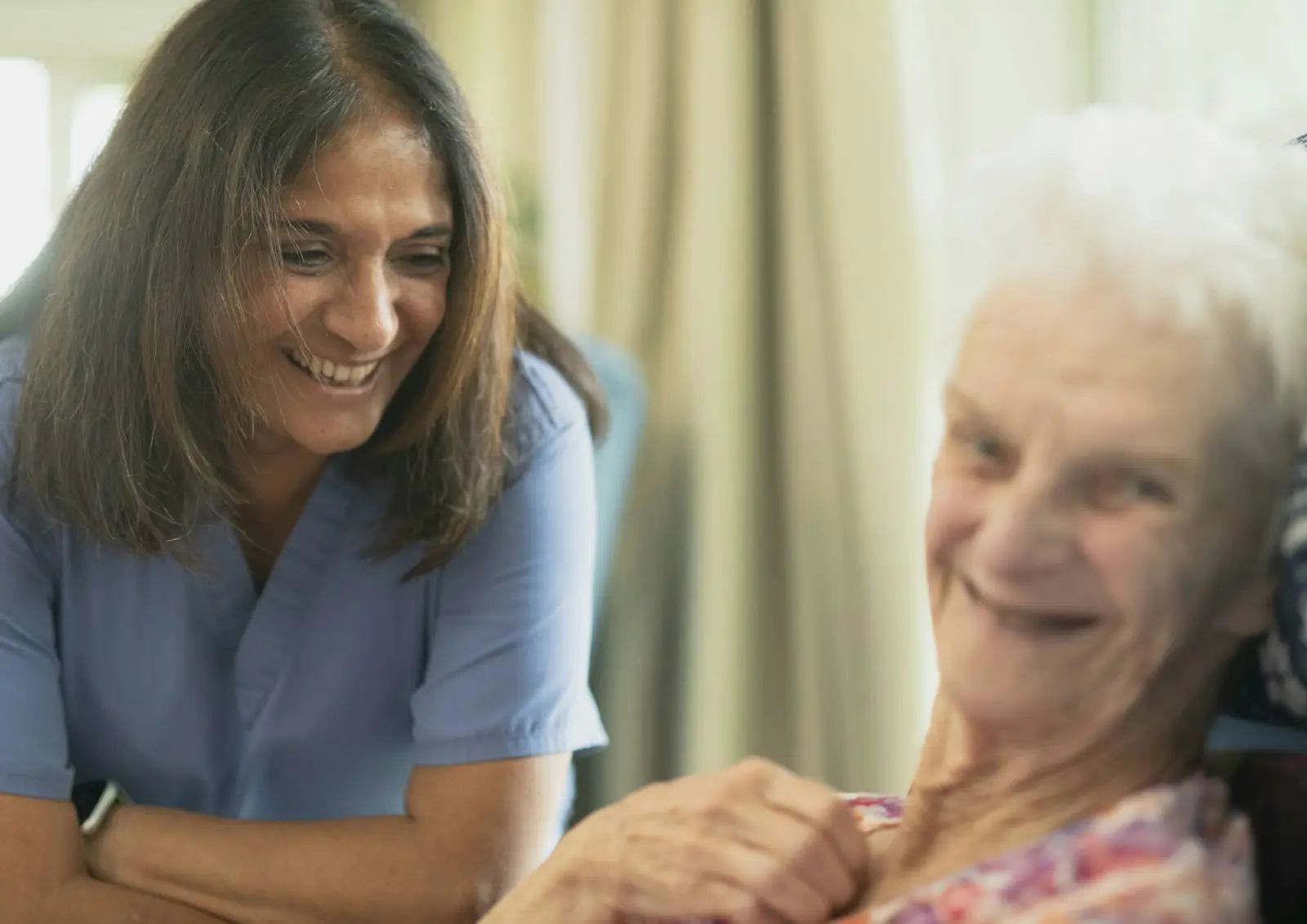
A home health wound care nurse is typically a registered nurse (RN) or licensed practical nurse who provides wound care in a person's residence rather than in a clinic or hospital. Some have extra training or certification in wound care, while others are general home health nurses who care for wounds as one part of their work.
The wounds involved vary widely. They can include surgical incisions, pressure injuries, diabetic foot ulcers, venous or arterial leg ulcers, and wounds that are slow to heal. The nurse generally works under the direction of a physician or other licensed clinician who oversees the overall plan of care.
Home health care is often arranged through a home health agency after a hospital stay, a surgery, or a referral from a doctor. Requirements and coverage vary by situation and payer, so it is worth asking a provider or agency how it works for you.
How it’s traditionally been approached
Traditionally, in-home wound care has followed a pattern of assessment, documentation and ongoing monitoring. The nurse looks at the wound, the surrounding skin and the person's overall health, and records changes over time so the treating clinician can follow progress.
Dressing changes, cleaning of the wound and protection of the surrounding skin have long been core parts of this work, carried out as directed by the clinician in charge. Approaches differ depending on the wound type, its cause and the person's other health conditions.
Education has also been a long-standing part of home health nursing. Nurses often teach patients and family caregivers what to watch for, how to keep a home safe, and when to contact the care team. Some wounds are also managed with devices such as negative pressure wound therapy, which is well-established, but only a licensed clinician decides what is appropriate.
How the right wound care specialist may help
The right home health wound care nurse may help by bringing skilled assessment to your home, which can be easier than frequent trips to a clinic, especially for people with limited mobility. They may also serve as a link between you and the physician or wound specialist, reporting changes so the care team can respond.
A visit generally includes reviewing how you have been feeling, examining the wound, checking the dressing, and talking through any concerns. The nurse may also look at factors that can affect healing, such as pressure on the area, nutrition, blood sugar management, swelling or mobility, and share observations with the clinician in charge.
Good questions to ask a licensed provider include: What is causing my wound? How is it staged or classified? What treatment options exist? What is the expected healing time? Who do I call if something changes? Is this covered by my insurance? Caregivers can also ask what they should and should not do between visits.

The whole-person view
Healing involves the whole person. Pain, poor sleep, limited mobility and the stress of long-term wound care can affect mood, and stress and low mood can in turn affect daily habits and how a person feels physically. Caregivers often carry their own strain as well.
Some people find that body-based support, such as the approaches offered through Somatic Experiences, helps them feel more at ease with their bodies during recovery. Others find talk therapy through Therapists.plus useful for coping with worry, frustration or caregiver burnout. Neither replaces wound care from a licensed clinician, and each may simply be one more form of support.
Somatic Experiences: trauma and emotional healing →Somatic Experiences: embodiment and movement →Therapists.plus: mind body connection →
Keep in mind
- Seek medical care promptly for signs of infection, including spreading redness, red streaking, increasing warmth or pain, pus, foul odor, fever or chills, or a wound that is rapidly worsening.
- Call 911 or go to the ER for heavy bleeding, exposed bone or tendon, signs of sepsis, or a deep or severely contaminated wound, such as one from a serious accident.
- Only a licensed clinician can evaluate your wound and decide which treatments and products are appropriate; this page does not replace that evaluation.
- If you or a caregiver feels overwhelmed or in crisis, call or text the 988 Lifeline.
Not sure where to start? Answer a few gentle questions and choose who you’d like to hear from.
Keep exploring
Home health & caregiver wound care
Frequently asked questions
What does a home health wound care nurse do?
A home health wound care nurse visits you at home to assess your wound, change dressings as directed by your clinician, and monitor how it is changing. They also teach you and your caregivers what to watch for and report concerns to the care team. The specifics depend on your wound and the plan set by your licensed provider.
How do I get a home health wound care nurse?
Most often, a physician or other licensed clinician makes a referral to a home health agency, sometimes after a hospital stay or surgery. The agency then evaluates whether home health services fit your situation. Ask your provider and the agency how eligibility and insurance coverage apply to you.
Is a home health wound care nurse the same as a wound care specialist?
Not necessarily. Some home health nurses have additional wound care training or certification, while others are general nurses who care for wounds as part of broader duties. Ask about a nurse's training and how they coordinate with your physician or wound specialist.
Does insurance cover home health wound care?
Coverage varies by payer, plan and your individual circumstances, so there is no single answer. Ask your provider, the home health agency and your insurer what is covered, what requirements apply, and whether a referral or authorization is needed.
What signs of infection should I report right away?
Seek medical care promptly if you notice spreading redness, red streaking, increasing warmth or pain, pus, foul odor, fever or chills, or if the wound is rapidly worsening. Do not wait for the next scheduled visit. For heavy bleeding, exposed bone or tendon, or signs of sepsis, call 911 or go to the ER.
Can family caregivers help with wound care at home?
Caregivers often play an important role, but what they should do depends on the wound and the instructions of the treating clinician. A home health nurse may teach caregivers what to watch for and when to call. Ask your provider exactly which tasks are appropriate for a caregiver and which should be left to a nurse.
Educational resource. WoundKare shares general information and connects people with independent wound care specialists. It is not medical advice, diagnosis or treatment. Talk with a licensed professional about your health.